why us
Dental Care for Children with Autism
Our sensory-aware team creates a calm, structured environment so children with autism can receive the dental care they deserve.
What it is
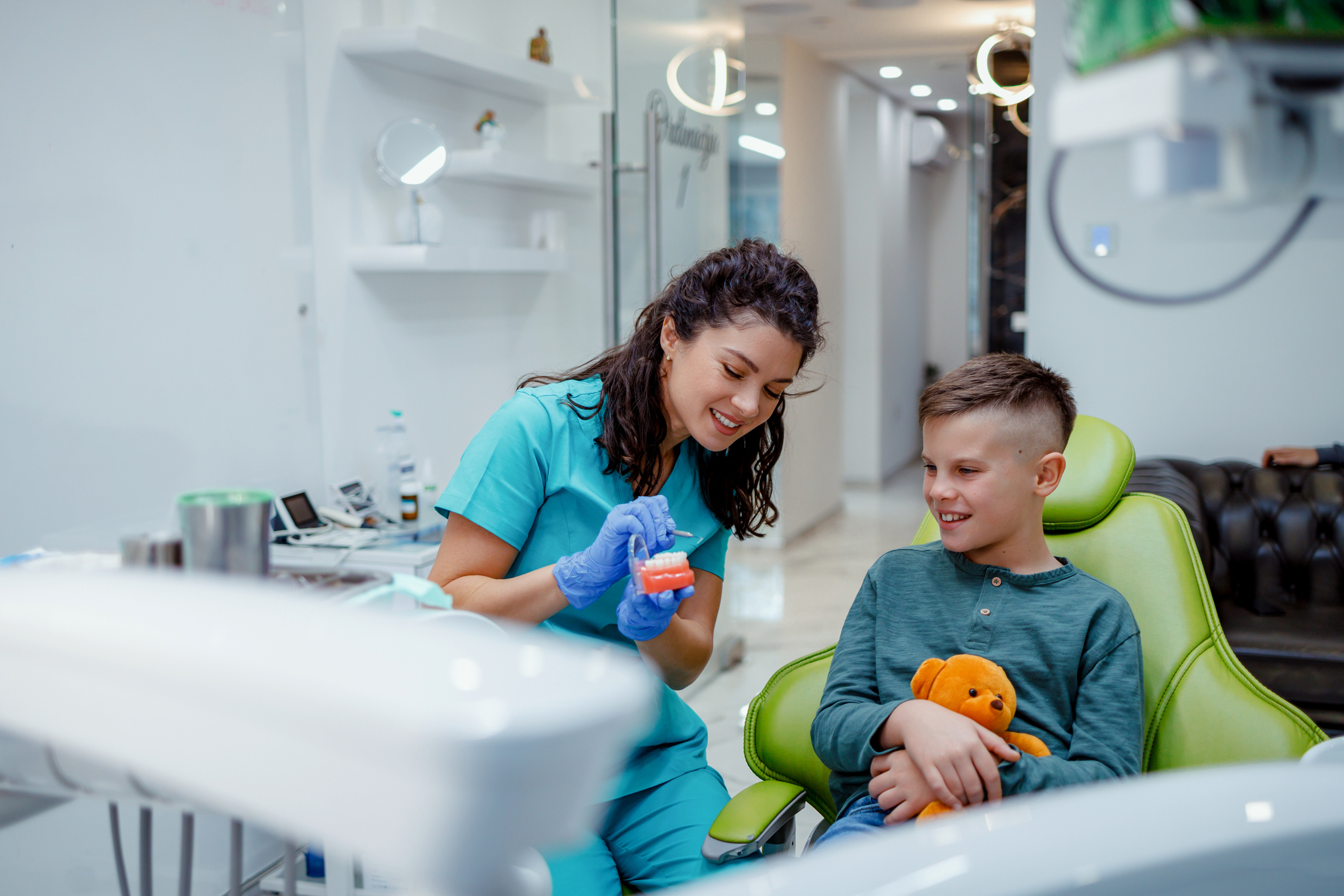
Dental care for children with autism is a thoughtfully adapted approach that prioritizes sensory comfort, routine, and clear communication to make dental visits more manageable. By creating a calm, predictable environment and working at each child's pace, the team helps children with autism receive the consistent oral care they need to thrive.
How it works
Dental care for children with autism works by introducing the dental environment gradually through desensitization visits, using visual schedules, social stories, and sensory accommodations to reduce anxiety. The team moves at the child's pace, builds familiarity over time, and uses proven techniques to make each appointment more predictable, comfortable, and successful than the last.
How it helps
Dental care for children with autism helps by making the dental environment less overwhelming and more predictable, reducing the anxiety that can make visits feel impossible. With patience, structure, and sensory-aware care, children build trust and tolerance over time, allowing them to receive the regular dental treatment that is essential to their long-term health and wellbeing.
faq
Frequently Asked Questions
Who might consider this treatment?
This care is recommended for children on the autism spectrum who may struggle with the sensory, social, or environmental aspects of traditional dental visits and need a structured, patient, and accommodating approach to receive consistent oral health treatment.
What is the typical experience?
Visits are structured with predictability in mind, often beginning with a familiarization appointment before any treatment takes place. The team moves at the child's pace, using visual cues, social stories, and sensory accommodations to build trust and make each visit more comfortable than the last.
How long does it usually take?
Initial familiarization visits may be brief — as short as 15 to 30 minutes — while treatment appointments are scheduled with extra time, often 60 to 90 minutes, to accommodate the child's pace and ensure a positive, low-pressure experience.
Is there anything to keep in mind?
Progress may be gradual, especially in the early visits, and that is completely expected and respected. Consistency is key — keeping appointments regular and maintaining communication with the dental team between visits helps reinforce positive associations and builds the trust needed for successful long-term care.
What should I know about recovery after?
After a dental visit, some children with autism may experience heightened sensory sensitivity or emotional dysregulation as they decompress from the experience. Allowing for quiet time, familiar surroundings, and preferred comfort activities at home can support a smoother transition and help the child recover both physically and emotionally.