why us
Pulpotomies
A gentle procedure that removes infected pulp from a baby tooth to relieve pain and save the tooth.
What it is
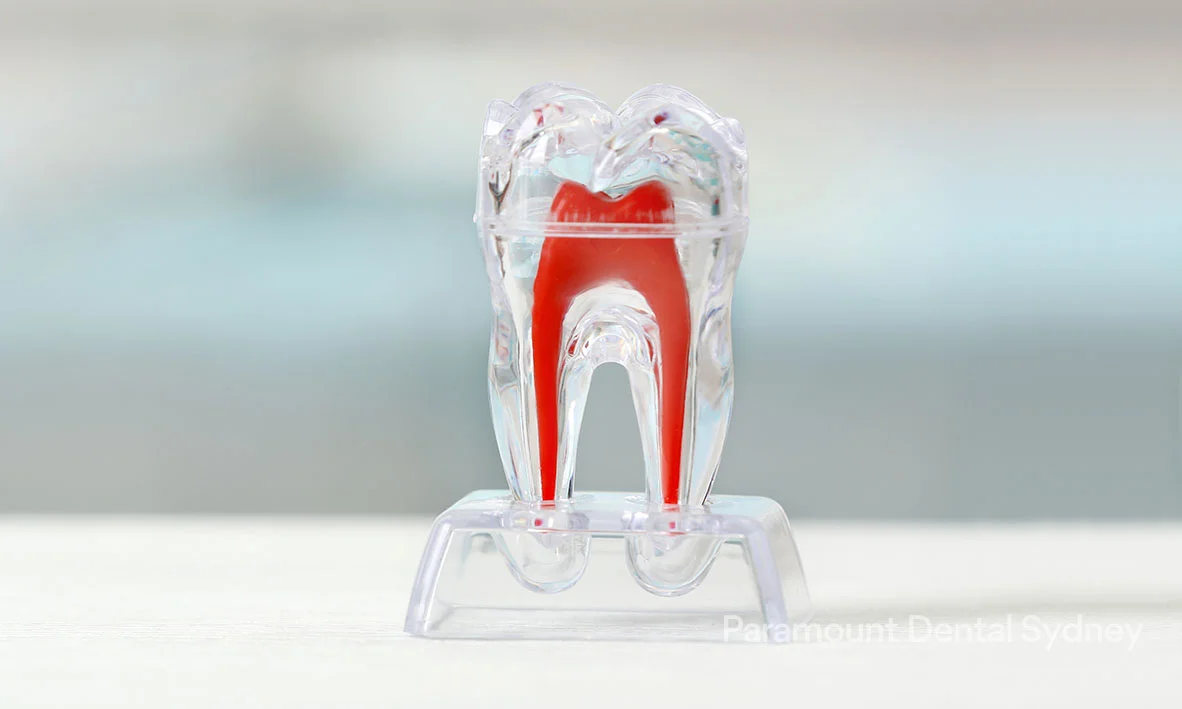
A pulpotomy is a procedure that removes infected or inflamed pulp tissue from the crown of a baby tooth while preserving the healthy root. It relieves pain, stops the spread of infection, and saves the tooth so it can continue to hold space for the incoming permanent tooth.
How it works
A pulpotomy works by accessing the inside of the tooth, removing the infected or inflamed pulp tissue from the crown portion, and leaving the healthy root pulp intact. The space is then filled with a medicated material and the tooth is sealed with a crown to protect it, allowing the tooth to remain functional until it naturally falls out.
How it helps
Pulpotomies help by saving a baby tooth that would otherwise need to be extracted, preserving its important role in chewing, speech, and space maintenance. They relieve pain quickly, stop infection from spreading, and allow the tooth to remain in place until the permanent tooth is ready to take over naturally.
faq
Frequently Asked Questions
Who might consider this treatment?
Pulpotomies are recommended for children with a baby tooth that has deep decay reaching the pulp, causing pain or infection, but where the root remains healthy enough to preserve the tooth.
What is the typical experience?
With the tooth fully numbed, the dentist accesses and removes the infected pulp tissue, places a medicated filling, and covers the tooth with a crown. Children are usually comfortable throughout and recover quickly with minimal post-procedure sensitivity.
How long does it usually take?
A pulpotomy typically takes between 30 and 60 minutes and is usually completed in a single visit, including the placement of the final crown restoration over the treated tooth.
Is there anything to keep in mind?
A pulpotomy is intended to preserve the baby tooth, but it is important to understand that the long-term success of the procedure depends on proper follow-up care and the placement of a crown to fully protect the treated tooth. Regular checkups will ensure the tooth remains healthy and stable until it is ready to fall out.
What should I know about recovery after?
Mild soreness around the treated tooth is normal for a day or two and can be managed with over-the-counter children's pain reliever. The child should be able to return to normal activity the following day, and the placement of a crown at the same or follow-up visit ensures the tooth is fully protected during healing.